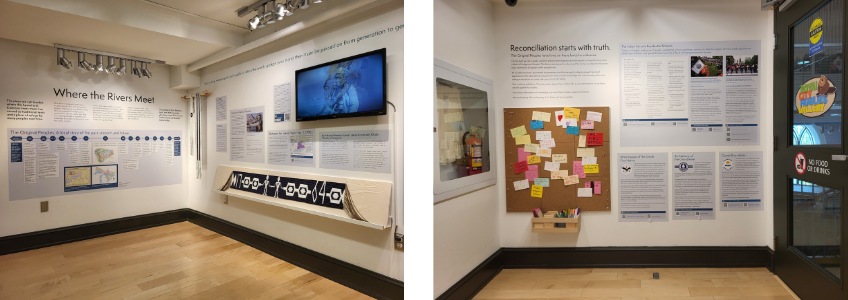
Where The Rivers Meet
Where The Rivers Meet is a display within the City Gallery that centers the Original Peoples who have been on this land since time immemorial. It includes information about migration,…
Skip to content Skip to navigation

Where The Rivers Meet is a display within the City Gallery that centers the Original Peoples who have been on this land since time immemorial. It includes information about migration,…
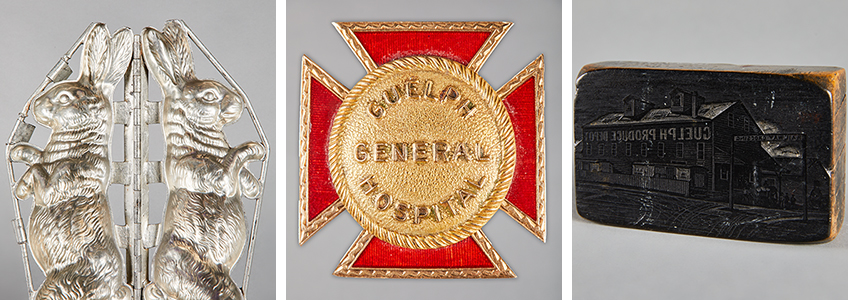
Guelph Museums has a growing collection of over 50,000 items, including objects, archival material, and photographs. This collection allows us to record the tangible and intangible history of the place…
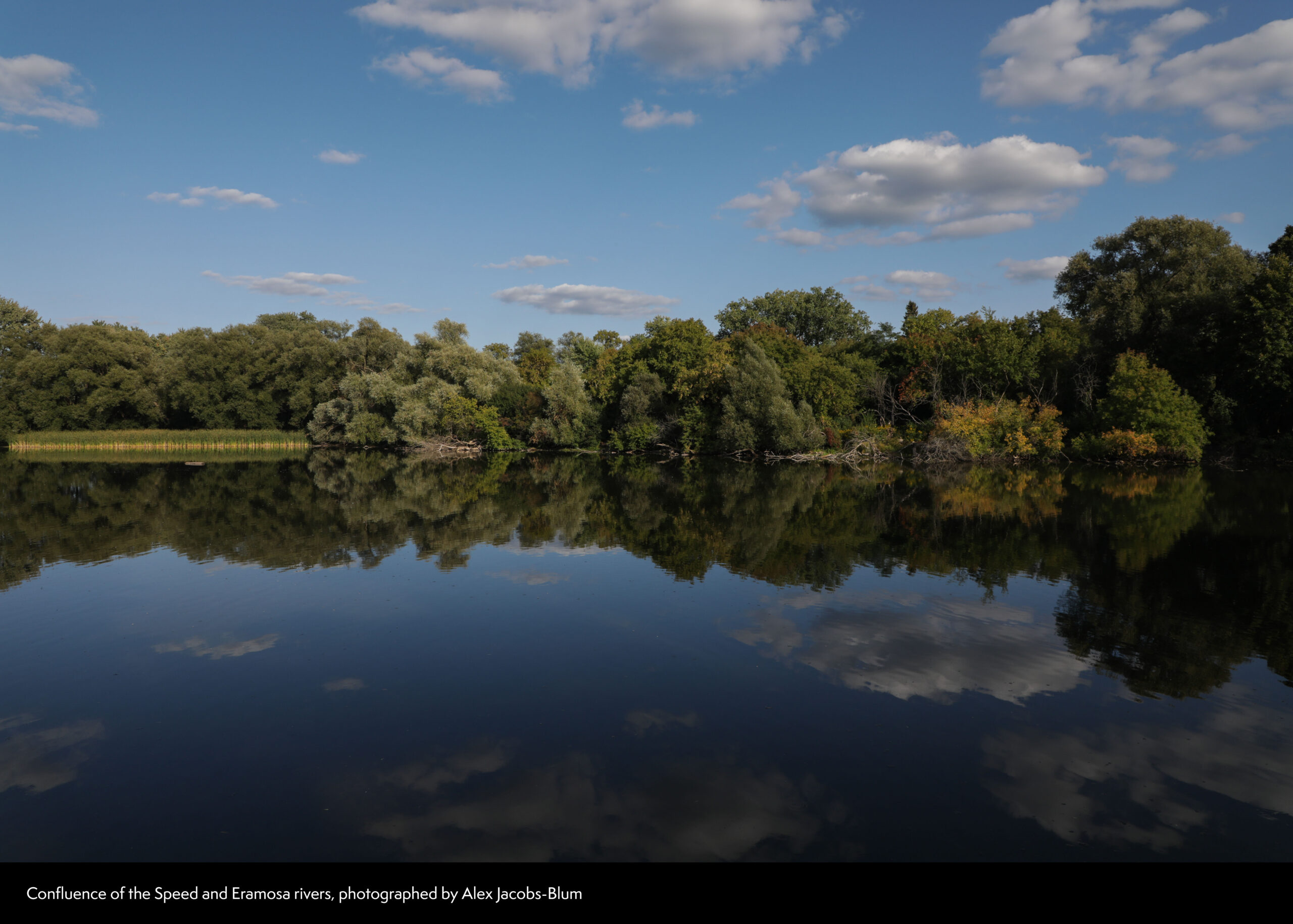
Maawnjidyang Maa – We come together here What does it mean to be “here” in Guelph, where the Speed and Eramosa rivers meet? How do we engage in this place…
Enjoy the March Break with us! The Guelph Civic Museum will be open Monday-Friday, 10 a.m.-5 p.m. from March 16-March 20. In addition to our usual gallery experiences, each there…
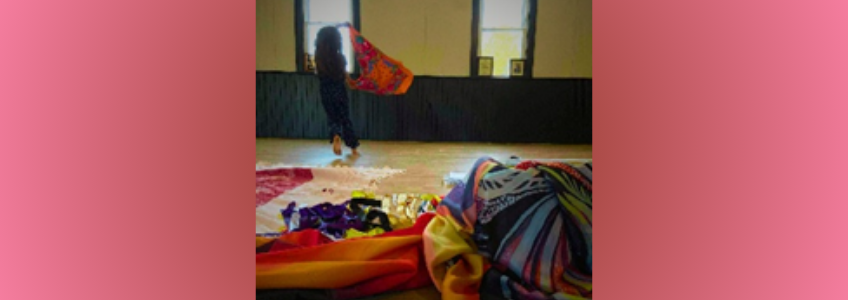
This drop-in workshop focuses on dance, offering an opportunity to learn about cultural practices, movement, and the importance of community and respect. Through interactive activities, participants are encouraged to ask questions, engage their senses, and gain a deeper understanding of how dance plays meaningful roles in Indigenous cultures. No dance experience required – all are…
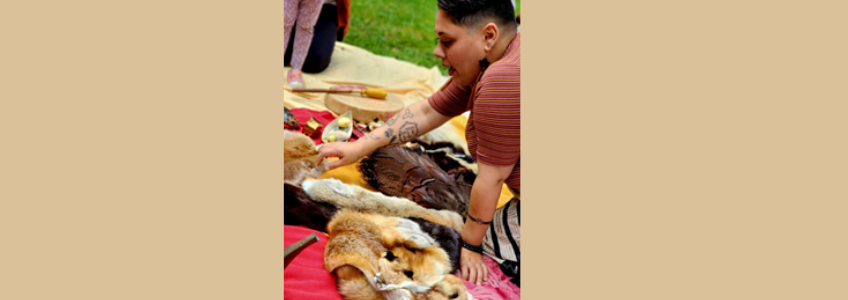
Meet the Three Sisters – corn, beans, and squash – while simmering soup and preparing bannock and berries for lunch. Participants will enjoy their meal together, while learning about cultural practices, sustainability, and the importance of community and respect. Participants are encouraged to ask questions, engage their senses, and gain a deeper understanding about how…
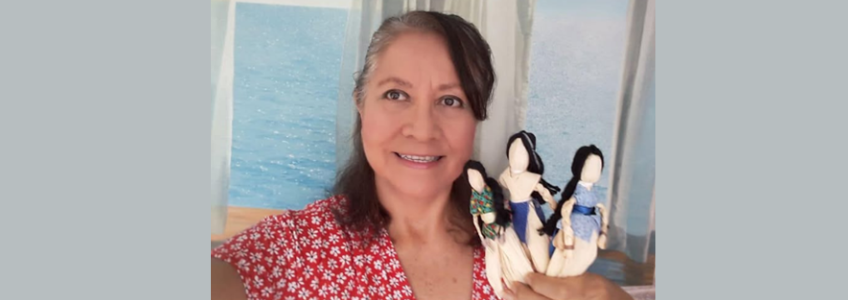
Learn about the Haudenosaunee tradition and story of the corn husk doll. Make your own corn husk doll. Offered in response to the exhibition Maawnjidyang Maa: We Come Together Here Preregistration via Eventbrite is required About the Guest Educator Patricia Chrisjohn is a Haudenosaunee woman, mother and grandmother from Oneida of the Thames First Nation.…
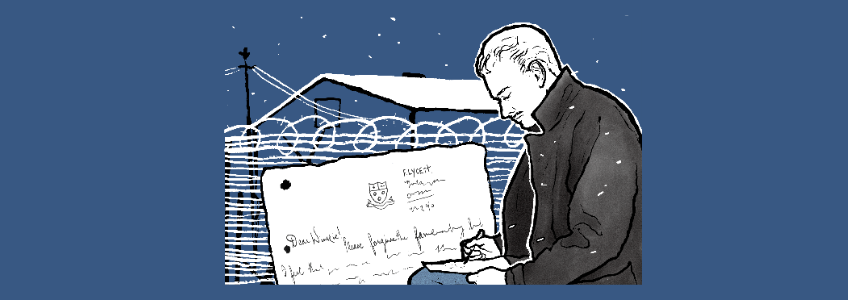
Gillian Wagenaar examines a case of illicit correspondence between a Canadian teenager and a group of civilian internees in Quebec in the early years of the Second World War. Through…
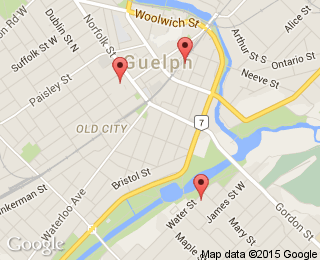
Guelph Museums 52 Norfolk Street Guelph, ON N1H 4H8 (519) 836-1221 [email protected]
Staff Contacts
Guelph Museums is owned and operated by the City of Guelph.

Guelph Museums acknowledges the support of the Government of Canada.
