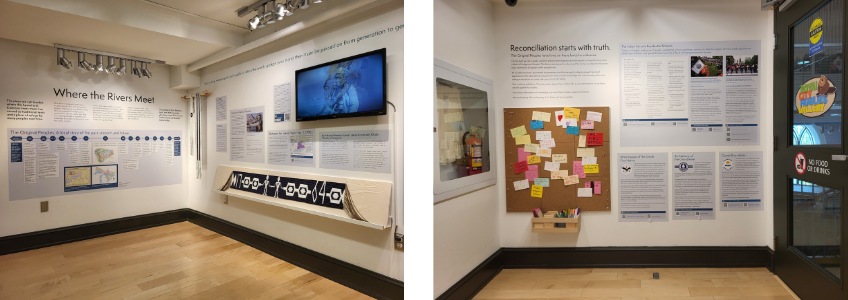
Where The Rivers Meet
Where The Rivers Meet is a display within the City Gallery that centers the Original Peoples who have been on this land since time immemorial. It includes information about migration,…
Skip to content Skip to navigation

Where The Rivers Meet is a display within the City Gallery that centers the Original Peoples who have been on this land since time immemorial. It includes information about migration,…
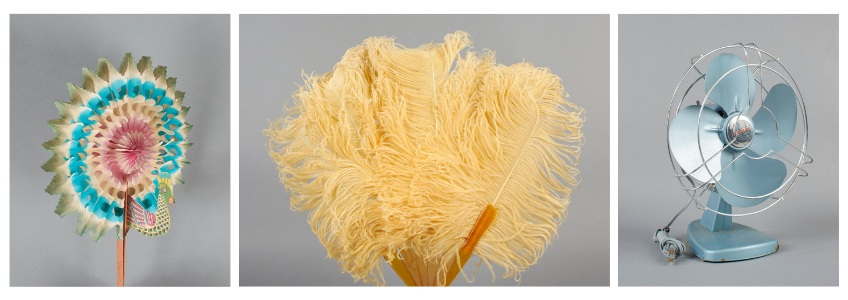
The Origin of Fan: Folding Form and Function considers the local and global histories, technological innovation, and cultural significance of fans. The exhibition draws from Guelph Museums’ collection of over 80 fans and related photographs, postcards, and other ephemera.
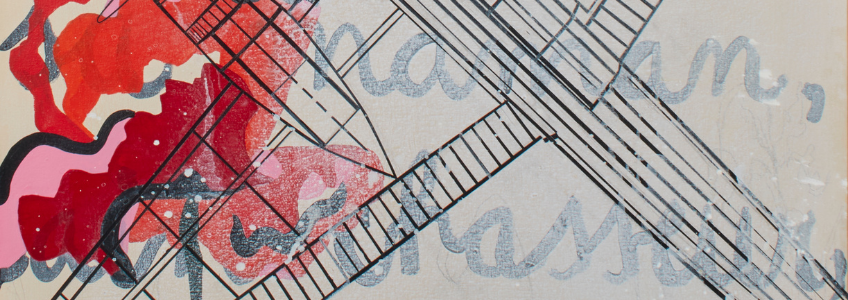
The exhibition Witnessing War takes place in 2022, marking 150 years since the birth of Lt. Col. John McCrae (1872-1918). An esteemed doctor, soldier and poet, McCrae is remembered for his wartime poem “In Flanders Fields,” which he wrote from the trenches near Ypres, Belgium, on 3 May 1915.
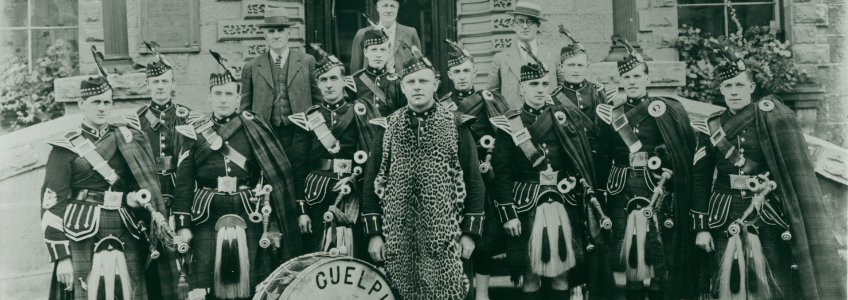
The creation of a pipe band was inspired by the Guelph Burns Club, which celebrated poet Robbie Burns in the local Scottish diaspora. To fund the band, a Tag Day campaign raised $72 and the Victoria-Guelph Chapter of the Imperial Order Daughters of the Empire collected $500. The Guelph Pipe Band was officially formed in the fall of 1922.

Marie Curie found that an ore containing uranium was far more radioactive than could be explained by its uranium content. In this special episode of History Bites: From the Vault, Visitor Experiences Assistant Anna will take you into our collection to explore the history of Uranium Glass!
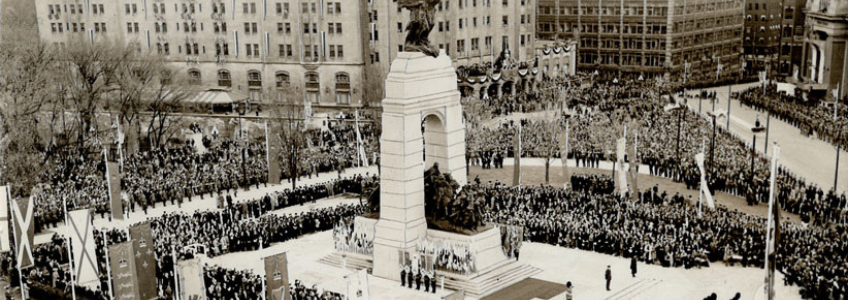
This Military Lecture by Thomas Littlewood presents new research which reconsiders our understandings of Second World War memorials, when they were built, and what they mean.

In this exploratory episode of History Bites, Lt. Col. John McCrae experts Bev Dietrich and Linda Granfield chat about recent discoveries in their ongoing research into his life and times.
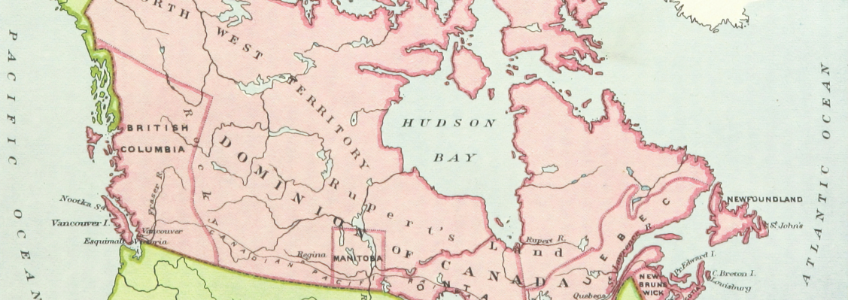
For more than three decades, successive Canadian governments have tied themselves in knots to justify the sale of Canadian-produced weapons to Saudi Arabia. Yet the Saudi sales are only the latest chapter in a history of arms sales to conflict regions which extends back to the Second World War, and includes customers from all over the world.

Guelph Museums 52 Norfolk Street Guelph, ON N1H 4H8 (519) 836-1221 [email protected]
Staff Contacts
Guelph Museums is owned and operated by the City of Guelph.

Guelph Museums acknowledges the support of the Government of Canada.
