In Our Cases
Indigenizing Galt
Civic Museum 52 Norfolk Street, Guelph, Ontario, CanadaGuelph Civic Museum was established in the 1960s to preserve and share this city’s local history. Since then, our founding story has been told through the narrative of the Canada…
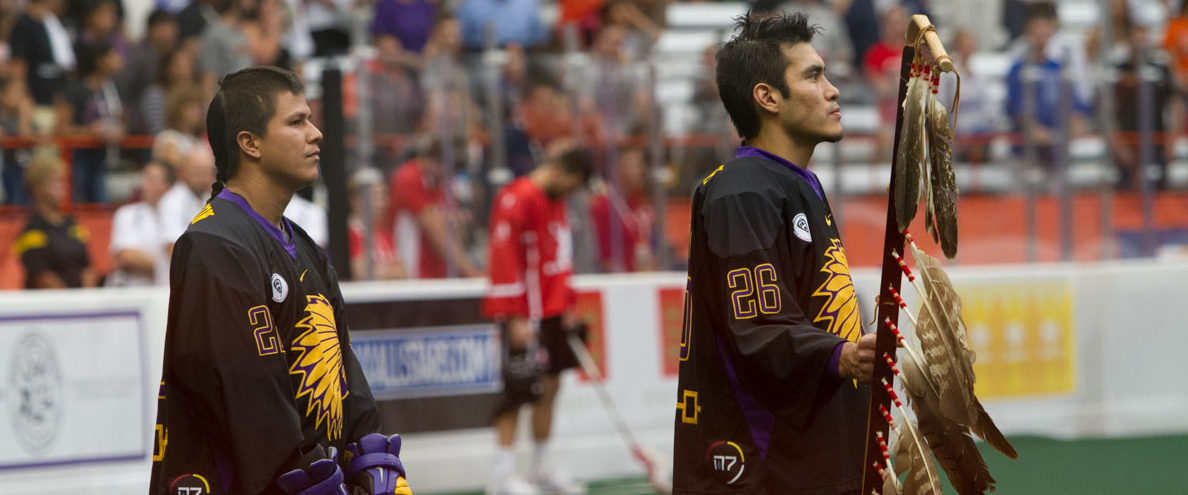
Lacrosse: The Creator’s Game
Civic Museum 52 Norfolk Street, Guelph, Ontario, CanadaDewa’áo’:gajíhgwa’e’ is the Cayuga Nation word for lacrosse, which has multiple meanings: “they play with webbed sticks” and “to throw or pass the ball” and “hitting their hips. Lacrosse was gifted to the Haudenosaunee Peoples (Cayuga, Mohawk, Oneida, Onondaga, and Seneca) from the Creator at the time of Creation. Other Indigenous Nations have their own…
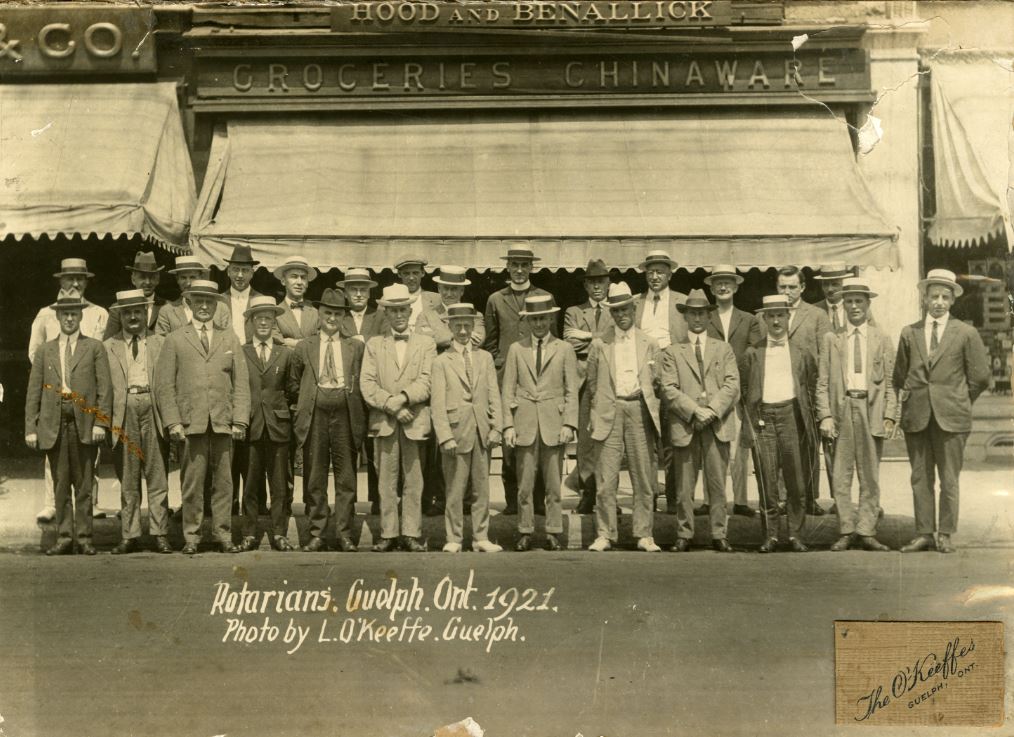
Rotary in Guelph 1920–2020: 100 Years of Service Above Self
Civic Museum 52 Norfolk Street, Guelph, Ontario, CanadaImage: Rotarians of Guelph, 1921 The Beginning of Rotary in Guelph: On February 23, 1920, 25 local business leaders hosted a meeting to organize a Rotary Club in Guelph. Under…

Every Child Matters
Civic Museum 52 Norfolk Street, Guelph, Ontario, CanadaAcknowledging the legacy of Canada’s Residential School system and its impact on Indigenous communities, past, present and future. What is Residential School? The term “Residential School” refers to the education…
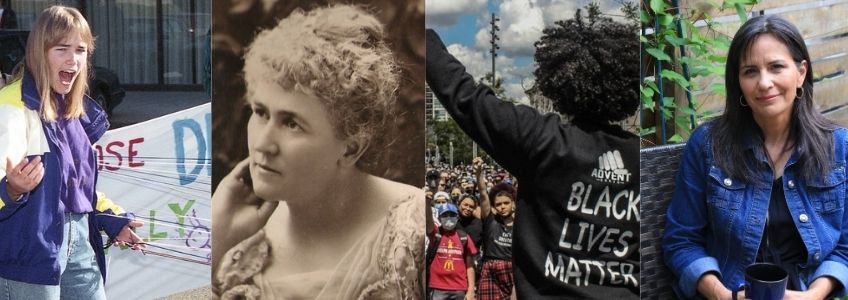
Her Story: Trailblazers of Guelph and Wellington County
Civic Museum 52 Norfolk Street, Guelph, Ontario, CanadaIn fall 2019, the Canadian Federation of University Women (CFUW) approached Guelph Museums about an exhibition that would mark the 75th anniversary of CFUW Guelph. Through the stories of local women, who fought for the advancement of the status of women, the exhibition began to take shape. The goal was to write the history of…
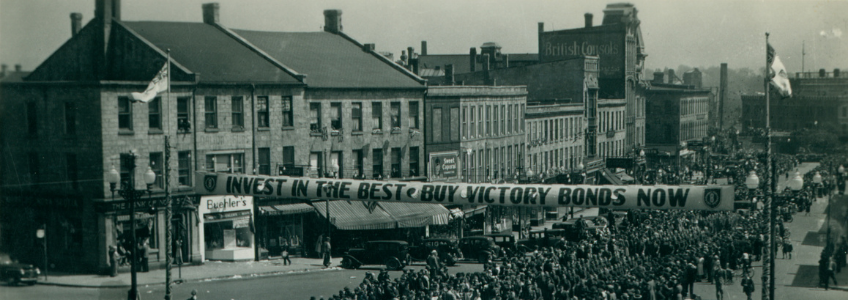
Liberation of Holland 1945: Trooper Clarence Oliver James
Civic Museum 52 Norfolk Street, Guelph, Ontario, CanadaBetween 1939 and 1945, the Second World War was an international conflict fought on land, on sea and in the air. Canadian soldiers played a major role in the war, including many from Guelph. Some of Guelph's soldiers returned home, but many died in battle and as prisoners of war. The year 2020 marks the…
Scholar, Soldier, Spy: Captain John Kenneth Macalister
Guelph Civic Museum 52 Norfolk Street, Guelph, Ontario, CanadaBetween 1939 and 1945, the Second World War was an international conflict fought on land, on sea and in the air. Canadian soldiers played a major role in the war, including many from Guelph. Some of Guelph's soldiers returned home, but many died in battle and as prisoners of war. The year 2020 marks the…
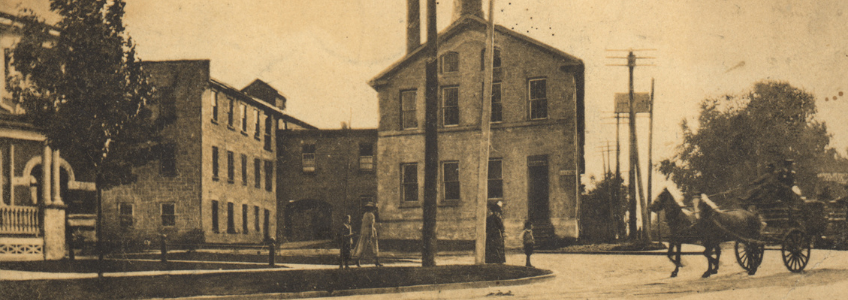
Fred Hallett and The Sewing Machine Factory
Civic Museum 52 Norfolk Street, Guelph, Ontario, CanadaAlfred “Fred” Thomas Hallett was born in October 1863 in Lewisham, Kent, England – over 150 years ago! His parents, William and Eliza, moved their family to Canada in May 1869, when Fred was six years old. He had seven siblings: William, Henry, John, Elizabeth, Esther, Charles, and Arthur. The Hallett family settled in Guelph.…